
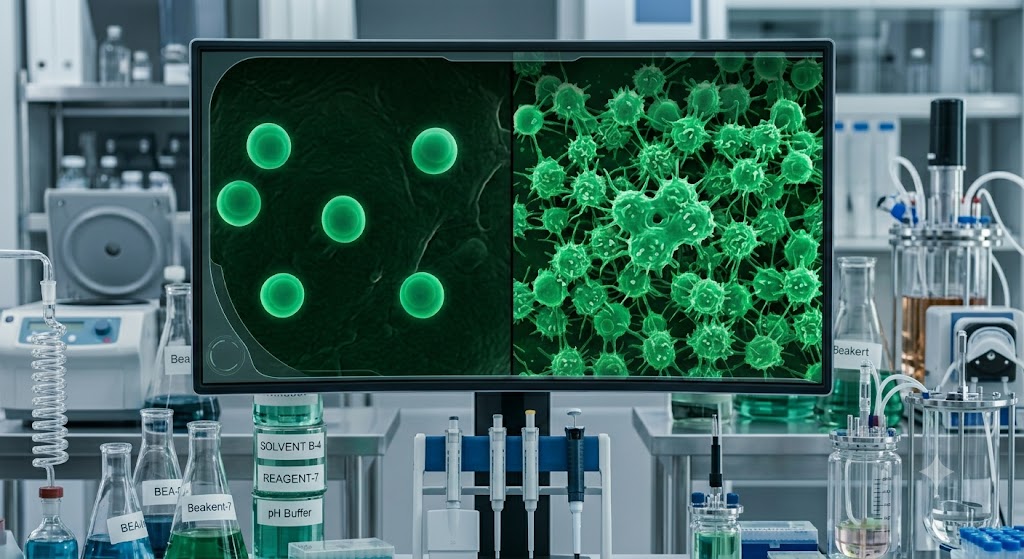
Renowned immunologist Dr. Derya Unutmaz, a professor at The Jackson Laboratory and the University of Connecticut, has demonstrated how advanced AI models are transitioning from simple search tools into true scientific collaborators. In late 2025, Unutmaz utilized GPT-5 Pro to resolve a stubborn, three-year-old molecular mystery regarding how glucose metabolism impacts the specialization of human T cells.
The underlying experiment, shelved in 2022, revealed that exposing developing T cells to a glucose-disrupting molecule called deoxyglucose triggered an unexpected explosion of inflammatory-response cells. Unable to pinpoint the energy-independent mechanism driving this behavior, the lab hit a bottleneck. Upon analyzing the unreleased data, GPT-5 Pro independently deduced that deoxyglucose systematically interferes with the construction of the IL-2 protein, effectively removing the biological barrier that prevents T cells from mutating into inflammatory Th17 cells.
To test the model's accuracy, Unutmaz subsequently tasked it with simulating an unpublished lymphoma experiment. The AI flawlessly predicted the enhanced therapeutic efficacy of specialized CD8+ T cells. Unutmaz now leverages advanced iterative tools, including GPT-5.2 Deep Research, to compile large-scale cancer mutation datasets and streamline hypothesis testing, drastically accelerating the development of precision immunotherapies.