
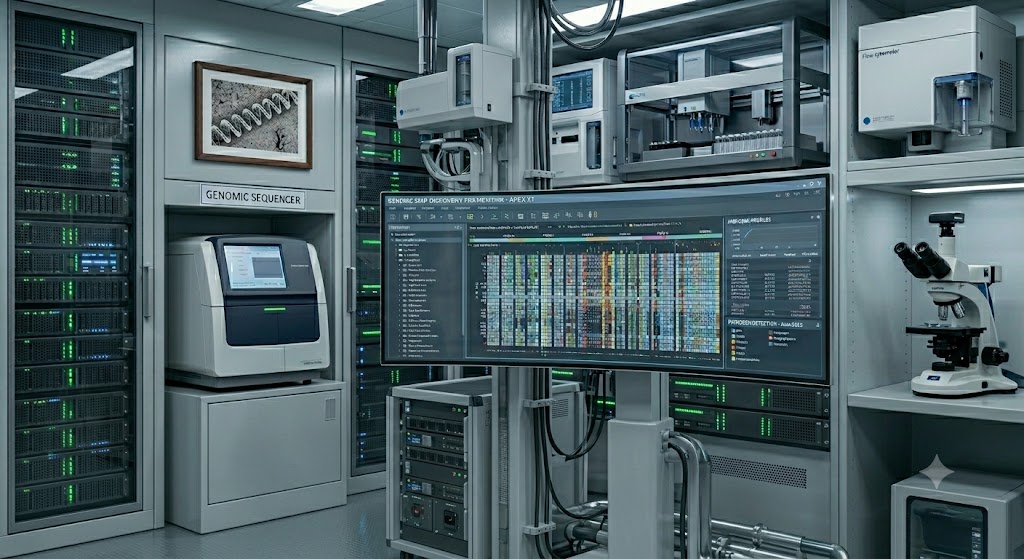
A groundbreaking study from the University of Pennsylvania reveals that prions—proteins famously linked to fatal neurodegenerative diseases—conceal molecular fragments capable of killing bacteria. Led by Dr. César de la Fuente, the research team utilized a deep learning platform called APEX 1.1 to shift from scattered historical observations to a massive global search across millions of potential protein fragments.
The AI model mined 19.3 million fragments derived from nearly 3,000 curated prion and prion-like proteins, successfully predicting 1,179 candidate antimicrobial peptides, termed "prionins". To validate these computational predictions, scientists synthesized 75 of these candidate molecules for laboratory evaluation against clinically relevant, multidrug-resistant pathogens. Remarkably, 59 of the synthesized prionins successfully inhibited bacterial growth, primarily by disrupting bacterial membranes. Furthermore, topical application of two top candidates significantly reduced the burden of Acinetobacter baumannii in mouse models, matching the efficacy of standard antibiotics without causing adverse weight loss.
This study demonstrates that artificial intelligence can systematically uncover therapeutic potential in dark, unconventional biological source spaces previously associated only with disease, opening an entirely new front in the urgent battle against global antibiotic resistance.